The Importance of Volunteer Support
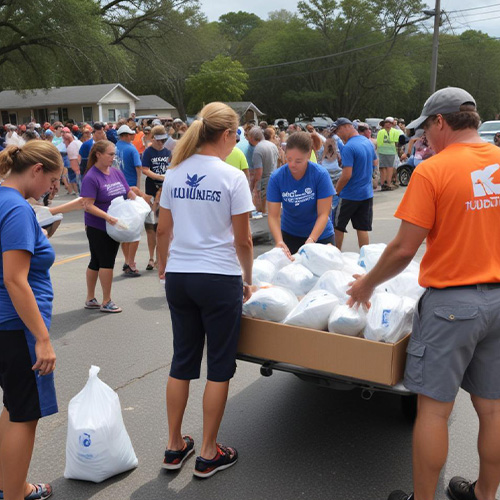
Volunteer support plays a pivotal role in the recovery process following Hurricane Helene. Whether it’s providing physical labor to remove debris from properties or assisting with logistical needs like distribution of supplies and food, volunteers are the lifeblood of the Hurricane Helene relief efforts. They come from all corners of the community, united by a common goal: to lend a hand to those in need. This spirit of volunteerism fosters a sense of ownership and responsibility among residents, turning the recovery effort into a community-driven initiative.
Many local organizations have stepped up their calls for volunteer support, creating a range of opportunities for residents to get involved. These range from hands-on assistance with cleanup projects to administrative support that helps manage logistics for larger operations. Every bit of effort counts, and when individuals come together to volunteer, it amplifies the impact of their contributions significantly. This powerful collective action showcases the effectiveness of community engagement and reinforces the belief that everyone can contribute, irrespective of their skill set.
Furthermore, volunteering can also offer psychological benefits to those who participate. Engaging in relief efforts promotes not just a sense of purpose but can also help individuals cope with their own feelings of helplessness in light of the disaster. Whether it’s providing emotional support to a neighbor or sharing a meal with someone displaced, these acts of kindness create a cycle of positivity that uplifts entire neighborhoods. Volunteer work, therefore, not only provides immediate aid but also fosters long-lasting relationships within the community.
Local Organizations Leading the Charge
In the wake of Hurricane Helene, a number of organizations have emerged as shining examples of commitment to community aid South Carolina. These groups are tirelessly working on the ground to address the immediate and ongoing needs of residents affected by the hurricane. Notable among them are local food banks that have ramped up their operations to provide meals, groceries, and essential supplies to families experiencing food insecurity following the storm.
Another key player is the network of shelters that have been established across the region. These shelters not only provide temporary housing but are also locations where people can receive counselling and guidance on additional resources available to them. Social workers and trained volunteers ensure that emotional and psychological support is available, addressing the anxiety and trauma that often follows such catastrophic events. The synergy between these organizations enhances the region’s overall capacity to respond effectively and compassionately.
Additionally, community centers and grassroots initiatives have taken on critical roles in organizing volunteer support efforts. Many have created platforms where residents can sign up to help with cleanup, donate goods, or provide financial support to affected families. This kind of organization ensures that aid reaches those who need it most and that volunteer efforts are executed efficiently. By offering a variety of options for involvement, these organizations engage a broad audience and maximize their effectiveness—and proof of their hard work can be seen in the multitude of recovered homes and revitalized spirits across the area.
Getting Involved: Volunteer Opportunities
For those looking to get involved in the recovery efforts after Hurricane Helene, a plethora of volunteer opportunities is available. Individuals can participate in various ways that cater to their skills and availability. Starting with physical cleanup efforts, organizations are looking for willing hands to help clear debris from homes and public spaces. This work is vital to restoring normalcy and safety for community members who wish to return to their homes.
Moreover, volunteering doesn’t have to be limited to just physical labor. Many organizations seek help with organizing donations, preparing meals, or even providing support to families navigating the recovery process. Skills in logistics, communication, and emotional support are just as valuable as physical contributions. People with backgrounds in social work, teaching, or counseling can provide essential resources to individuals dealing with the aftermath while helping to foster community bonds that can last long after the storm.
If you’re interested, many local organizations have set up easy sign-up processes through their websites or social media platforms, making it simple to find the most suitable opportunities. Whether you can spare just a few hours or a longer commitment, every effort helps rebuild lives and communities. In addition to feeling a sense of fulfillment, volunteers often report forming new friendships and creating a network of support that strengthens the entire community.
The Role of Local Businesses in Relief Efforts
Local businesses in South Carolina have also risen to the occasion, providing both financial and logistical support to those impacted by Hurricane Helene. Many have set up fundraising initiatives, with a portion of sales going directly to charities or outright donations made to provide food, shelter, and various resources necessary for recovery. This community-oriented approach not only aids affected residents but also reinforces the importance of local commerce, ensuring the region bounces back more robustly than before.
Furthermore, these businesses collaborate with non-profit organizations to coordinate events, volunteer drives, and donation collections. For instance, restaurants may host “dine for a cause” nights, where a percentage of the evening’s proceeds benefits relief funds. Such actions create a dual opportunity to support local businesses while helping the community recover—a win-win situation for everyone involved.
Additionally, businesses providing essential services, such as those in the construction and repair industries, have also been invaluable in the recovery efforts. By offering discounts or donating materials and labor, they contribute to the restoration of homes and infrastructure. This proactive engagement from the business sector not only reflects a commitment to community welfare but also sets an example for others, encouraging a spirit of giving that is essential for future resilience.
Ensuring Personal Safety During Volunteer Work
While the spirit of volunteering is commendable, it is imperative to prioritize safety for everyone involved in relief efforts. Working in hazardous conditions, such as post-storm cleanup areas, comes with its own risks, including potential injuries from debris or exposure to unstable structures. Volunteers should always wear appropriate clothing and gear, including sturdy footwear, gloves, and eye protection to safeguard against potential hazards.
It’s also advisable for volunteers to attend any briefings organized by local relief agencies that outline safety protocols and guidelines before participating in any work. Awareness of the environment and surrounding conditions can go a long way in preventing accidents and ensuring that efforts are focused on recovery without adding additional risks.
For those volunteering in emotional support roles, safeguarding mental health is equally important. Witnessing the aftermath of a disaster can take a toll, and it is vital that volunteers do not hesitate to seek support if they feel overwhelmed. Creating a culture where everyone looks out for one another’s well-being can make a significant difference in maintaining a strong volunteer community that is both effective and healthy.
Conclusion: A Call to Action for Collective Recovery
The journey to recovery from Hurricane Helene is well underway, showcasing the unwavering strength and commitment of South Carolinians to rebuild and restore their communities. From the unified efforts of local organizations to the enthusiastic participation of volunteer support, the collective impact is profound. As we assess the needs presented by the aftermath of this natural disaster, it’s clear that all contributions—no matter how small—play a critical role in the recovery process.
For residents in the Lake Norman area and beyond, the call to action is clear: now is the time to step up, get involved, and support your neighbors in their time of need. Whether by volunteering, donating resources, or even just spreading the word about local relief efforts, each person has an indispensable role in ensuring the community emerges not just intact, but stronger than ever.
In summary, the heartwarming tales of resilience and support illuminate the path forward. The combined efforts of individual volunteers and local organizations, alongside the active participation of businesses, create a robust framework for recovery. Together, we can demonstrate the incredible power of community action, ultimately ensuring that everyone thrives in the days to come.
At ElecTek, we are committed to ensuring your home’s electrical system is in top-notch condition. If you need further information, advice, or professional electrical services, feel free to reach out to us. Call us at 704-997-6015 or drop an email at trish@electek.com anytime! We are here to keep your home safe and your electrical system healthy.

 Community Resilience in the Face of Hurricane Helene