
Introduction
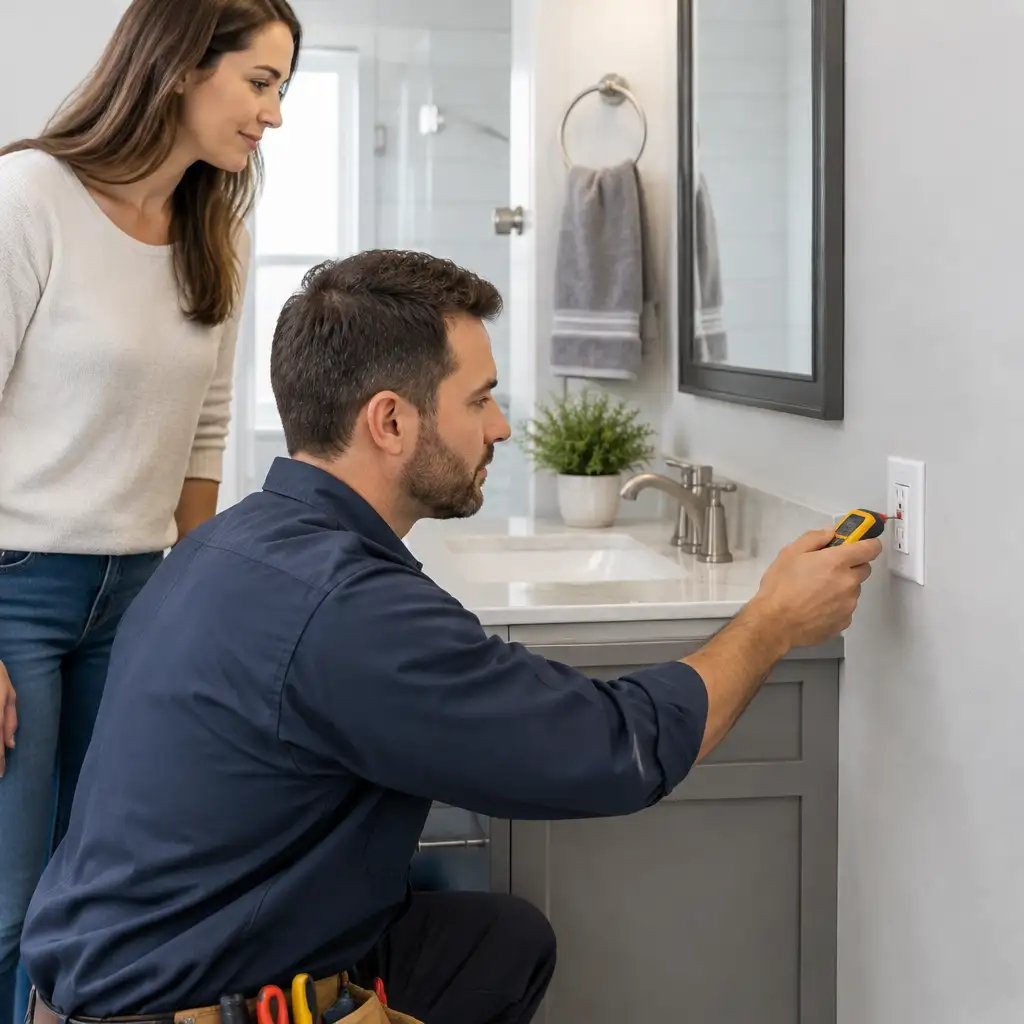
GFCI (ground-fault circuit interrupter) outlets and breakers are common safety devices in homes, especially around wet areas. When a GFCI keeps tripping it can be frustrating and worrying for homeowners in Cornelius, NC and throughout the Greater Lake Norman area. This article explains common causes, safety implications for kitchens and bathrooms, homeowner-friendly troubleshooting signs, and clear indicators that it’s time to call a licensed electrician.
Understanding why a GFCI trips helps you make safer choices. A nuisance trip might be harmless but repeated or unexplained tripping can point to moisture, shared loads, or an aging device. We avoid providing DIY wiring instructions here; instead, this guide focuses on safe checks you can do and when professional inspection or repair is appropriate.
If you need help beyond basic observations, a licensed professional can diagnose wiring, replace worn devices, and ensure your home complies with National Electrical Code expectations. ElecTek is a licensed, insured, and bonded residential electrical contractor serving Cornelius, NC and the Lake Norman community and can provide inspections and repairs when needed. For an overview of our offerings, see our electrical contracting services.
Key takeaways: moisture and appliances are common culprits, kitchens and bathrooms are high-priority areas for safety, and persistent or widespread tripping usually deserves a licensed electrician’s attention. Read on for practical, code-aware guidance tailored for homeowners and small business owners in the region.
- Introduction
- Common causes of frequent GFCI trips
- Why kitchens and bathrooms are high-risk and safety implications
- Safe troubleshooting signs homeowners can check
- How shared loads and wiring arrangements cause trips
- Aging devices, moisture, and environmental contributors
- When to call a licensed electrician and what to expect
- Frequently Asked Questions
Common causes of frequent GFCI trips
GFCIs detect imbalances between hot and neutral conductors and trip to cut power when a difference suggests current is leaking to ground. Several non-threatening causes can still result in frequent trips: small appliance leakage, hairdryers or space heaters that develop faults, and transient moisture in an outlet box. These are among the most common reasons homeowners notice repeated tripping.
Other causes are more systemic. Shared circuits with multiple loads, improper upstream wiring, and overloaded circuits can create conditions that lead to nuisance trips. An older or failing GFCI device itself can become overly sensitive and trip under normal conditions. In some cases, a wiring fault or damaged appliance creates a real safety hazard that should not be ignored.
For Lake Norman waterfront homes and properties near humid areas, environmental factors such as condensation or outdoor sprinkler overspray increase the likelihood of moisture-related trips. Knowing the range of possible causes helps you prioritize safe checks and decide whether a licensed inspection is needed.
Why kitchens and bathrooms are high-risk and safety implications
Kitchens and bathrooms combine water and electricity, which is why code requires GFCI protection in these spaces. Countertop outlets in kitchens, bathroom vanity outlets, and receptacles serving dishwashers or garbage disposals are commonly protected by GFCIs because moisture or a wet hand can create ground faults. For homeowners, repeated trips in these areas should be treated as a safety issue rather than a mere inconvenience.
A tripping GFCI in a bathroom might prevent a blow dryer from operating; while inconvenient, this may also indicate a device preventing a dangerous shock. On the other hand, persistent tripping when no water is present can point to a failing device or wiring problem. In both cases, it’s important to avoid using suspect outlets until you have a clearer understanding of the cause.
Important safety guidance: avoid using extension cords to bypass a tripped GFCI, keep water away from outlets, and unplug appliances that may be related to the trips. If a bathroom or kitchen outlet repeatedly loses power, consider scheduling a professional inspection to determine whether the problem is localized to one device or indicative of broader wiring concerns.
Safe troubleshooting signs homeowners can check
Homeowners can take a few non-invasive, safe steps to gather information before calling a professional. Start by noting when the trip happens: during appliance use, after a storm, or when multiple devices run at once. Check whether a single appliance causes the trip by unplugging devices and seeing if the GFCI holds. These observations are useful to the electrician who will diagnose the issue.
Other safe checks include confirming whether the GFCI outlet has a reset button and noting whether the reset stays engaged or immediately trips again. If a reset won’t hold, that suggests an active ground fault or a defective device. Also inspect the area visually for signs of moisture, rust, or discoloration around outdoor or bathroom outlets—these are signs that moisture could be present inside the receptacle or box.
Avoid opening outlet covers, touching wiring, or attempting repairs yourself. Never work on electrical systems while wet or barefoot, and do not plug high-draw appliances into a GFCI-protected multi-outlet strip to see if it trips—that could hide the real issue. Instead, use your observations to communicate clearly with a licensed electrician when you request service.
How shared loads and wiring arrangements cause trips
Sometimes trips result from how circuits are wired rather than from a faulty outlet or appliance. GFCIs protect the wiring on the load side of the device; if multiple outlets or fixtures share the same GFCI-protected circuit, a problem anywhere downstream can cause the device to trip. In older or remodeled homes this arrangement may be confusing to homeowners who expect only one outlet to be affected.
Appliances that cycle or draw high inrush current—like refrigerators, garbage disposals, or dishwashers—can create imbalances that a sensitive or aging GFCI responds to by tripping. In other cases, a load-side neutral shared with another circuit (a multi-wire branch circuit wired incorrectly) will produce nuisance trips and requires a licensed electrician to identify and correct the wiring.
If you notice that turning off particular appliances prevents tripping, note which ones. That information helps a technician isolate whether the issue is one device drawing too much, a shared wiring problem, or a failing GFCI that needs replacement or relocation by a professional who understands NEC requirements.
Aging devices, moisture, and environmental contributors
GFCI devices, like any electrical component, can wear out over time. A GFCI installed many years ago may be more likely to trip under normal load than a modern replacement. The mechanical and electronic parts inside a GFCI degrade, and replacement is a straightforward solution a licensed electrician can perform to restore reliable protection.
Moisture is a frequent contributor. In Cornelius and around Lake Norman, humidity, condensation in crawlspaces, or sprinkler spray on outdoor outlets can introduce leakage paths that trip GFCIs. Outdoor and garage outlets exposed to the elements or near boat docks should be inspected for weatherproofing and proper enclosure to reduce moisture-related trips.
For ongoing issues tied to weather or seasonality, a professional inspection can identify whether the device location, outlet box condition, or surrounding environment is the root cause. Our blog contains homeowner electrical resources that explain common seasonal electrical issues and how inspections can prevent recurring problems; see our electrical articles for more information.
When to call a licensed electrician and what to expect
Call a licensed electrician when trips are frequent, unexplained, or when multiple circuits are affected. Also seek professional help if you smell burning, see scorch marks, or find outlets that are warm to the touch. These signs indicate potential hazards that require a qualified electrician’s diagnosis and repair. If you are searching specifically for an electrician Cornelius NC homeowners trust, prioritize a licensed, insured, and bonded contractor who follows NEC standards.
When you schedule service, the technician will typically ask for details you collected: when the trips occur, which appliances were running, and whether the reset holds. A professional will test the GFCI, evaluate wiring and downstream outlets, and inspect for moisture or damaged devices. They can replace defective GFCIs, reconfigure circuits that are incorrectly shared, and suggest upgrades such as relocated outlets or dedicated circuits for high-draw appliances.
To book an inspection or service appointment, use our book an appointment page—this helps ensure prompt scheduling. ElecTek is licensed, insured, and bonded, serving Cornelius and the Greater Lake Norman community with residential electrical repairs, inspections, and upgrades. If the work involves a larger renovation or builder coordination, we also provide support for builders and architects on more complex projects.
Frequently Asked Questions
Q: My bathroom GFCI trips after I use the hairdryer. Is that dangerous?
A: Occasional trips with a single appliance usually mean that appliance is leaking current or the GFCI is reacting to its load. Unplug the device and avoid using that outlet until a licensed electrician inspects the appliance and receptacle. Persistent trips should be evaluated by a professional to rule out wiring or device problems.
Q: Can a storm cause my GFCI to start tripping more often?
A: Yes. Heavy rain or wind can introduce moisture into outlet boxes or damage outdoor fixtures, leading to more trips. If tripping follows a storm, have a licensed electrician inspect affected exterior outlets and nearby wiring rather than attempting repairs yourself.
Q: How do I know whether a GFCI needs replacement versus a wiring repair?
A: A licensed electrician will test the device and the downstream circuit to determine the cause. If the GFCI fails electrical tests or is very old, replacement is often the correct action. If tests show a wiring fault, shared neutral, or appliance leakage, targeted repairs or reconfiguration will be recommended. Professional inspection provides a safe diagnosis and code-compliant solution.
Not sure what is causing an electrical issue in your home? ElecTek offers professional troubleshooting, inspections, repairs, and residential electrical service for homeowners in Cornelius, NC and the Greater Lake Norman community. Call 704-506-4205 or email trish@electekinc.com to request help from a licensed electrical contractor.