
Introduction
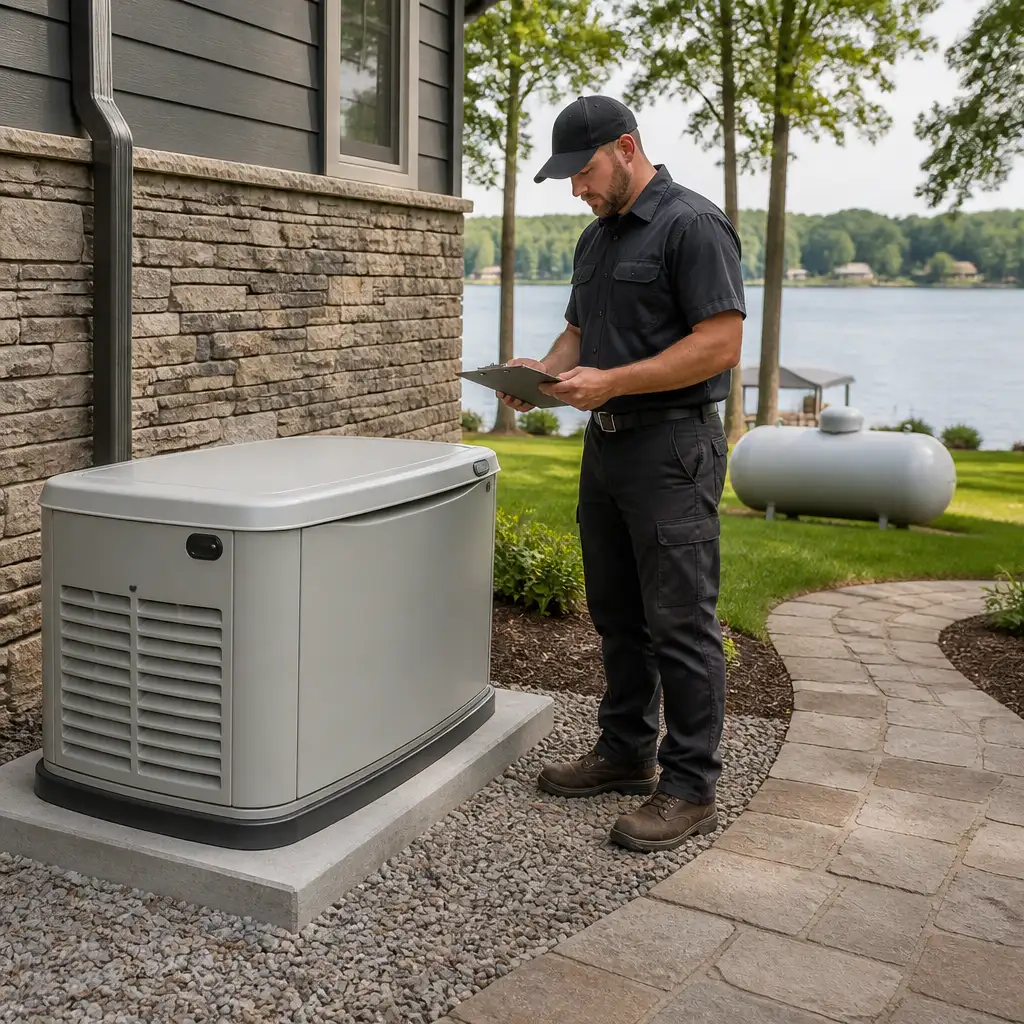
Homeowners around Cornelius, NC and the Lake Norman area turn to standby generators to keep essential systems running during storms and grid outages. If you are researching Generac backup generator installation Cornelius NC, this guide walks through the key decisions you’ll face: fuel options, permitting and inspection steps, siting and code considerations, routine maintenance, and practical reliability tips for lake-area homes.
Generac generators are a common choice for homeowners because of their range of sizes and automatic transfer options, but a reliable outcome depends on careful planning and licensed electrical work. Throughout this article we’ll emphasize safety, National Electrical Code (NEC) considerations, and when to call a professional rather than attempt unsafe DIY work.
This guide is written for Cornelius and Greater Lake Norman homeowners, small business owners with residential-style properties, and anyone planning a standby generator for a waterfront home. It explains the trade-offs between natural gas and propane, local permitting expectations, siting concerns near Lake Norman shorelines, and a maintenance rhythm that keeps a Generac ready when you need it.
ElecTek is a licensed, insured, and bonded electrical contractor serving Cornelius, NC and the Greater Lake Norman community. We focus on code-conscious, residential electrical service, including generator wiring and installation and ongoing maintenance. If you’re ready to plan a project, our team can help with system selection, permit coordination, and safe installation.
- Introduction
- Fuel choices for Generac generators: natural gas vs. propane
- Permits, inspections, and local steps in Cornelius, NC
- Siting and placement considerations for Lake Norman homes
- Transfer switches, load planning, and NEC compliance
- Routine maintenance schedule and professional service
- Practical tips to keep your Generac reliable after installation
- Frequently Asked Questions
Fuel choices for Generac generators: natural gas vs. propane
Choosing between natural gas and propane is one of the first decisions for a Generac installation. Natural gas offers the advantage of continuous supply when the utility system is intact because it uses the existing gas service to your home. That means during long outages caused by storms that do not disrupt the gas main, a natural gas generator can run without you refilling any tanks.
Propane, on the other hand, requires on-site storage—typically an above-ground or buried tank sized to your expected run time. Propane gives you independence from the gas utility and can be a better option in areas without reliable natural gas service or where homeowners prefer a local fuel supply. For Lake Norman properties, especially waterfront homes, propane tank placement should be planned carefully with respect to setbacks and site access for refilling.
Both fuels have pros and cons related to availability, cost, and performance. Propane supplies can be limited after major storms when roads are blocked, while natural gas could be interrupted if the utility experiences infrastructure damage. Your choice should account for local delivery logistics, how long you need to run during outages, and any homeowner association or local code restrictions. A licensed electrician and fuel supplier can help model expected run times and tank sizing.
If you want assistance evaluating fuel options and the required wiring, consider professional help for generator sizing and installation. ElecTek performs generator wiring and installation and works with homeowners to match fuel choice to site conditions and outage preparedness goals. Our approach keeps safety and NEC compliance front and center.
Permits, inspections, and local steps in Cornelius, NC
Installing a standby generator usually requires local permits and inspections. In Cornelius, NC, and across North Carolina, electrical work must comply with the National Electrical Code (NEC) and local amendments, and permit review typically covers the generator, conduit and wiring, transfer switch, and any fuel system work. Permits ensure the installation meets safety standards and that inspectors can verify grounding, bonding, and overcurrent protection.
Expect the permitting process to involve submitting a site plan showing generator location, equipment specs, and fuel connections. If you choose natural gas, the gas utility may require its own inspection and approval; propane tanks often need separate permitting and setback verification. Working with a licensed contractor helps streamline the process because we can prepare the required documents and coordinate inspections with town or county officials.
Inspections usually occur at key milestones: after the electrical wiring and transfer switch are installed and after the final hookup and startup. Don’t skip the inspection stage—approved inspections safeguard homeowners and buyers and are commonly required for insurance or resale. If you’re preparing for installation, you can book an appointment with a licensed electrician to discuss permitting requirements and the likely timeline for Cornelius projects.
Siting and placement considerations for Lake Norman homes
Where you place a generator affects safety, noise, accessibility, and flood risk—important concerns for Lake Norman waterfront homes. Generators must have adequate clearances from windows, doors, and ventilation intakes to prevent exhaust from entering the home. For properties near the lake, check FEMA flood maps and local building rules; in some cases an elevated concrete pad or mounting bracket is necessary to meet flood-related codes and insurance requirements.
Noise and neighbor considerations also matter. Even relatively quiet models produce some sound during operation, so locating the unit where it minimizes disturbance and meets local setback rules is a homeowner-friendly approach. Ensure the site allows safe access for service vehicles and propane deliveries if you choose propane, and plan landscaping or fencing that preserves airflow around the unit while meeting aesthetic goals.
Homeowners should avoid placing generators where runoff collects or where snowmelt and heavy rain could pool. Proper drainage and a level pad reduce the risk of corrosion and operational problems. ElecTek can review potential sites, verify clearances, and help you weigh trade-offs between proximity to the service equipment and practical installation constraints. For general company information, visit the ElecTek Home page to learn more about our local residential electrical service.
Transfer switches, load planning, and NEC compliance
A safe generator installation isn’t just about the engine—it’s about how power is transferred to your home. An automatic transfer switch (ATS) isolates the generator output from the utility and switches selected circuits or the whole house load when the grid fails. Proper transfer switch selection and wiring are critical for safety, code compliance, and protecting utility workers from backfeed.
A common homeowner question is whether to power the whole house or only essential circuits. Rather than oversimplified sizing claims, a licensed electrician should perform a load calculation that factors in motor starting currents, HVAC demands, and continuous loads. Load management systems allow prioritized circuits to run without oversizing the generator, which can be a cost-effective option for many Lake Norman homes with high-demand appliances.
NEC requirements govern grounding, bonding, and overcurrent protection for generator installations. Local inspectors will verify compliance with these standards during permitting. ElecTek emphasizes NEC-compliant work and safe transfer switch installation to prevent hazards like backfeeding and improper neutral-to-ground connections. If you need help planning circuit priorities or understanding code impacts, schedule a conversation with our team to plan a compliant, practical system.
Routine maintenance schedule and professional service
Routine maintenance keeps a Generac standby generator reliable for years. Many manufacturers recommend monthly visual checks and an automatic weekly exercise run, which can rotate oil and keep components lubricated. Beyond homeowner checks, professional service intervals typically include an annual inspection and tune-up that covers oil and filter changes, coolant checks, battery state-of-charge and terminals, fuel system inspection, and load testing.
For propane systems, include checks for tank fittings and regulator condition; for natural gas, ensure the utility connection remains intact and that supply pressure is within the generator’s specification. Batteries often require replacement every 3–5 years depending on climate and usage patterns common in North Carolina. Keep a maintenance log with dates and service notes—this helps with warranty requirements and resale documentation.
Professional maintenance should be performed by licensed electrical contractors familiar with Generac equipment and local code requirements. ElecTek performs generator maintenance and seasonal checks, and can advise on preventive care tailored to Lake Norman’s climate and outage patterns. Our services include generator wiring, inspections, and scheduled maintenance to keep your system ready when storms hit.
Practical tips to keep your Generac reliable after installation
Small habits and periodic checks significantly improve long-term reliability. Keep the generator’s area clear of debris, shrubs, and ice buildup. Verify that vents and exhaust paths remain unobstructed, and confirm that the propane tank gauge shows an adequate fuel level before storm season. For natural gas systems, ask your utility about emergency procedures and whether any local historic outages might affect supply.
Run periodic manual transfer tests with a licensed technician to confirm the transfer switch and essential circuits function correctly. Label key panel breakers so first responders and family members understand what the generator powers during an outage. Consider remote monitoring options offered by Generac or third-party services to receive alerts about battery condition or fault codes, which is especially helpful if you travel frequently or own a Lake Norman vacation home.
Finally, work with a licensed, insured contractor for any electrical adjustments, repairs, or fueling equipment changes. ElecTek is licensed, insured, and bonded, and our team supports homeowners with prompt, code-conscious service. When in doubt about a noise, leak, or unusual indicator light, contact our team through the Contact Us page so a professional can evaluate the issue safely and efficiently.
Frequently Asked Questions
Q: Which fuel is better for long outages in the Lake Norman area: natural gas or propane?
A: Both fuels have advantages. Natural gas provides a continuous supply when the utility main is operational, while propane gives independence from the gas network but requires on-site storage. Review local delivery logistics, potential flood considerations, and your expected run time with a licensed electrician to choose the best option for your property.
Q: What permits and inspections are typically required for a Generac installation in Cornelius, NC?
A: Generator installations generally require electrical permits and inspections for the wiring, transfer switch, and grounding. Propane tanks and gas connections may require additional permits and utility inspections. A licensed contractor can submit permit applications and coordinate inspections with local authorities to ensure NEC and local compliance.
Q: How often should a Generac standby generator be serviced by a professional?
A: In addition to weekly or monthly homeowner checks, plan for an annual professional service that includes oil and filter changes, battery testing, coolant and fuel checks, and a load test. More frequent service may be appropriate if the generator sees heavy use or operates in harsh conditions. To schedule maintenance or an inspection, you can book an appointment with a licensed electrician who understands Generac systems and local code requirements.
Planning an EV charger, generator, renovation, or electrical upgrade? ElecTek helps homeowners throughout Cornelius, NC and the Lake Norman area make safe, code-conscious electrical decisions. Call 704-506-4205 or email trish@electekinc.com to discuss your project.