
Introduction
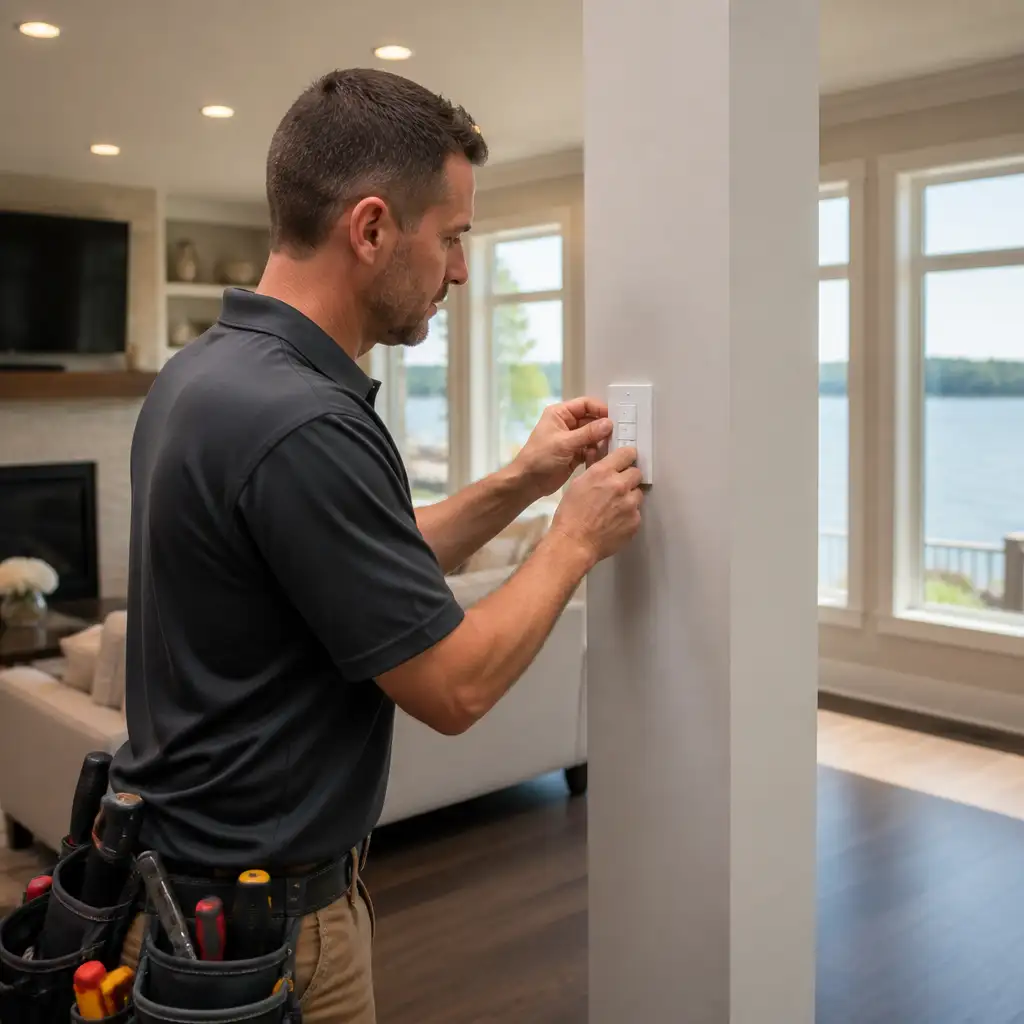
Smart home electrical upgrades are an increasingly common consideration for homeowners around Cornelius, NC and the greater Lake Norman area. Whether you’re adding smart lighting, upgrading switches, planning home automation wiring, or preparing your electrical panel for new loads, there are practical electrical concerns to understand before you begin. This article explains what to expect so you can make safe, code-aware decisions.
We’ll cover the electrical side of smart lighting and switches, the wiring and network demands of home automation, panel and power requirements, and why timing upgrades to coincide with remodels or new construction often saves time and money. The guidance is aimed at homeowners, waterfront property owners, and small business owners who want clear, professional advice without unnecessary technical jargon.
ElecTek, Inc. is a licensed, insured, and bonded local electrical contractor serving Cornelius, NC and the Greater Lake Norman community. Our focus on NEC compliance, safe installation, and practical planning informs the recommendations below. If you’re considering a smart home project, a licensed electrician should confirm your home’s specific needs before work begins.
Read on to learn key electrical considerations for smart home electrical upgrades Cornelius NC homeowners commonly ask about, plus tips for coordinating with builders and architects during a remodel.
- Introduction
- Smart lighting and smart switches: electrical considerations
- Home automation wiring and planning
- Network, connectivity, and power needs for smart systems
- Panel capacity, dedicated circuits, and surge protection
- Timing smart upgrades during remodels and new builds
- Working with builders, architects, and licensed electricians
- Frequently Asked Questions
Smart lighting and smart switches: electrical considerations
Smart lighting is often the first upgrade homeowners request. From Wi‑Fi bulbs to whole‑home lighting control panels, each option has electrical implications. Smart switches and dimmers typically replace traditional wall devices and may require a neutral conductor in the switch box. Older homes in Cornelius or around Lake Norman may lack that neutral, which affects which smart devices will work without rewiring.
When planning smart switches or smart fixtures, consider the type of load (LED, incandescent, fan) and device compatibility. Some smart dimmers expect minimum load levels to operate correctly with LED fixtures; others use electronic switching that needs proper wiring and a neutral. A licensed electrician can inspect switch boxes and confirm whether wiring modifications are needed or whether specific device models are appropriate for the circuit.
Lighting upgrades also touch on safety and code: recessed lighting in humid or exterior locations should be rated for the application, and any new devices must be wired to meet National Electrical Code (NEC) requirements. For professional installation and to avoid DIY pitfalls, consult a qualified contractor who understands residential lighting design and local permit requirements.
Home automation wiring and planning
Home automation ranges from a few smart devices to a fully integrated control system. For larger systems, early planning of wiring pathways, low‑voltage runs, and device locations pays dividends. Structured planning helps avoid ad‑hoc fixes and multiple retrofit runs through finished walls—especially important in remodels on Lake Norman waterfront properties where access can be limited.
Key wiring considerations include creating centralised hubs or equipment closets, running Cat6 or better for critical devices, locating power for smart hubs and controllers, and planning for expansion. Even if you rely heavily on wireless devices, a mixed approach that includes wired backbones improves reliability for video doorbells, security cameras, and media systems.
ElecTek supports homeowners and builders with electrical planning and installation for automation. If you’re unsure what to include, an early consultation and a site walk with a licensed electrician will identify wiring needs, potential limitations, and cost‑effective strategies for reliable smart system performance.
Network, connectivity, and power needs for smart systems
Smart devices rely on robust home networks and stable power. Evaluate Wi‑Fi coverage throughout the home and property; dead zones create frustrating reliability issues. Consider mesh Wi‑Fi systems or strategically placed access points and, when possible, run Ethernet to bandwidth‑heavy devices such as smart TVs, security panels, and main hubs.
Power quality matters too. Many devices are sensitive to brownouts, voltage fluctuations, and transient surges. For valuable automation equipment, homeowners may choose to place controllers and network switches on dedicated circuits and protect them with surge protection. Where backup operation is important—such as for security systems or smart locks—discuss generator or battery backup options with your electrician.
For homeowners managing many devices, keeping a simplified map of circuits, device locations, and network credentials helps with maintenance. A licensed electrician can coordinate power locations and device mounting heights so network installers and AV technicians can complete their work efficiently.
Panel capacity, dedicated circuits, and surge protection
Smart home upgrades can increase a home’s electrical load or require dedicated circuits. EV chargers, whole‑home automation hubs, media racks, and backup systems may all need dedicated breakers. Before adding significant new devices, verify your service size and available panel capacity. Many older homes around Cornelius, NC require panel upgrades to safely accommodate modern loads.
Dedicated circuits help isolate sensitive equipment and reduce nuisance tripping. For example, install separate circuits for high‑draw equipment like EV chargers or subpanels dedicated to an outbuilding or dock. Surge protection at the service entrance and at key load centers helps protect electronics from transient events common in storm‑prone areas of North Carolina.
Panel work and service upgrades must be handled by licensed professionals and performed to NEC standards. ElecTek offers panel assessments and upgrades as part of broader electrical contracting services, and we can advise whether a service upgrade, subpanel, or additional circuits are the safest route for your smart home project.
Timing smart upgrades during remodels and new builds
One of the best times to add smart home electrical upgrades is during a remodel or new build. Access to framing and open walls makes running new low‑voltage and power cables much easier and less expensive. If you’re renovating in Cornelius or around Lake Norman, coordinate electrical plans early to ensure lighting control wiring, hub locations, and circuiting are incorporated cleanly into the design.
Coordinating early also prevents costly changes later—such as chasing cables behind finished walls or replacing fixtures that aren’t compatible with selected smart controls. Timing upgrades with renovation milestones (rough‑in, insulation, trim) ensures each trade can sequence their work efficiently and reduces project delays.
To streamline the process, involve your builder and architect in electrical conversations and share any planned smart devices or control systems. For project support, ElecTek works with builders and architects to provide practical electrical planning for remodels and new construction, helping align electrical scope with the broader project schedule.
Working with builders, architects, and licensed electricians
Smart home projects often require collaboration between homeowners, builders, architects, and electrical contractors. Early coordination ensures outlets, switch locations, data drops, and equipment closets are placed for both aesthetic and functional needs. If you have design professionals, ask them to include electrical notes for smart system requirements so the trades can make informed decisions.
When remodeling or building, use a licensed electrical contractor who is familiar with local codes and the Greater Lake Norman area conditions. ElecTek is licensed, insured, and bonded and regularly partners with local builders and architects on residential projects. Bringing an electrician into design meetings helps avoid surprises and ensures NEC compliance as the project progresses.
For homeowners who prefer a hands‑off approach, request that the builder coordinate with the electrician for inspections and permit communication. If you are managing a custom project, reach out to ElecTek to discuss electrical planning for builders and architects so your smart home electrical upgrades are arranged correctly from the start.
Frequently Asked Questions
Q: Do smart switches require a neutral wire in Cornelius homes?
A: Many smart switches do require a neutral conductor, which may not be present in older switch boxes. A licensed electrician can inspect the box and advise whether the neutral is available or if alternatives exist. If rewiring is required, it’s best done during a remodel or as a planned upgrade to avoid unnecessary work later.
Q: Will adding smart devices overload my electrical panel?
A: It depends on the device types and overall load. Most low‑power smart devices (bulbs, switches, sensors) have minimal impact, but adding EV chargers, large audio/video racks, or supplemental HVAC controls may require additional capacity or dedicated circuits. An electrical assessment can determine whether a panel upgrade or subpanel is needed.
Q: How should I plan network and power for reliable smart home performance on Lake Norman waterfront properties?
A: Waterfront homes often have unique layouts and outdoor device needs. Run wired backbones where possible, place access points to cover docks and outdoor living spaces, and protect equipment with surge protection and weather‑rated enclosures. Coordinate with your electrician and network installer to locate power and network drops in convenient, protected areas.
Planning an EV charger, generator, renovation, or electrical upgrade? ElecTek helps homeowners throughout Cornelius, NC and the Lake Norman area make safe, code-conscious electrical decisions. Call 704-506-4205 or email trish@electekinc.com to discuss your project.